Short answer: June to September for the mountains, and you won't be disappointed. But Kyrgyzstan has a season for almost everyone, here's how to match your dates to the trip you actually want.
Summer (June-September): the classic season
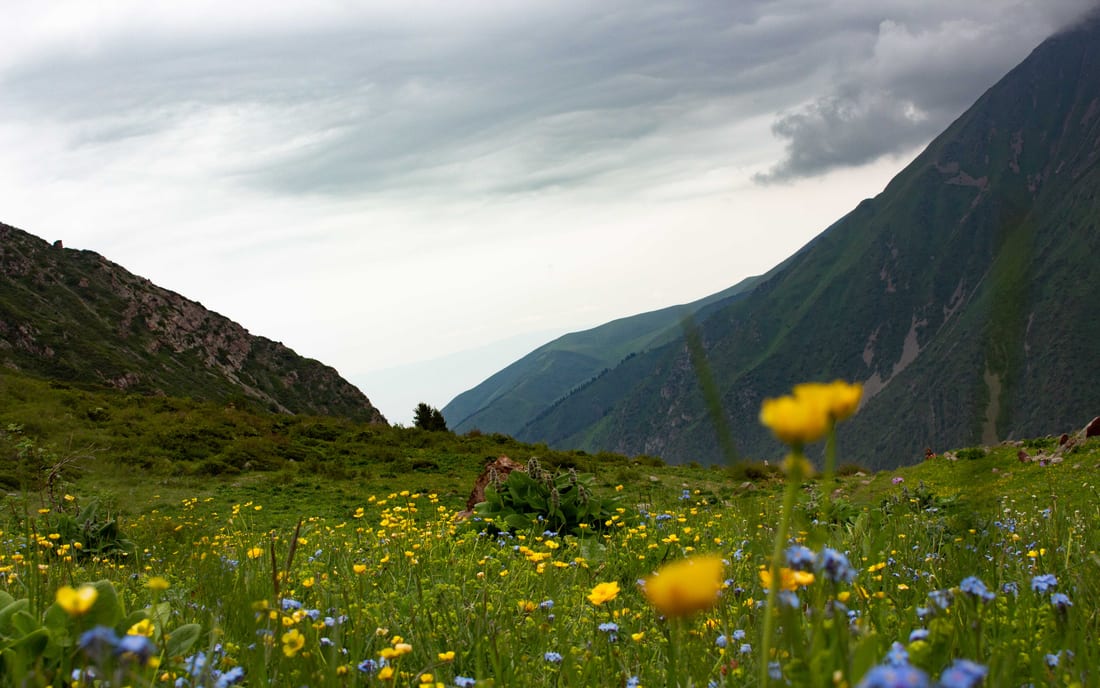
This is prime time. High passes are open, the jailoo (summer pastures) are green and dotted with yurts, and herder families move up into the mountains.
- Best for: trekking, horse treks, yurt stays, Issyk-Kul, Kel-Suu
- Weather: warm days, cold nights; afternoon showers possible
- Note: July-August are busiest, book ahead
Spring & autumn (April-May, October)
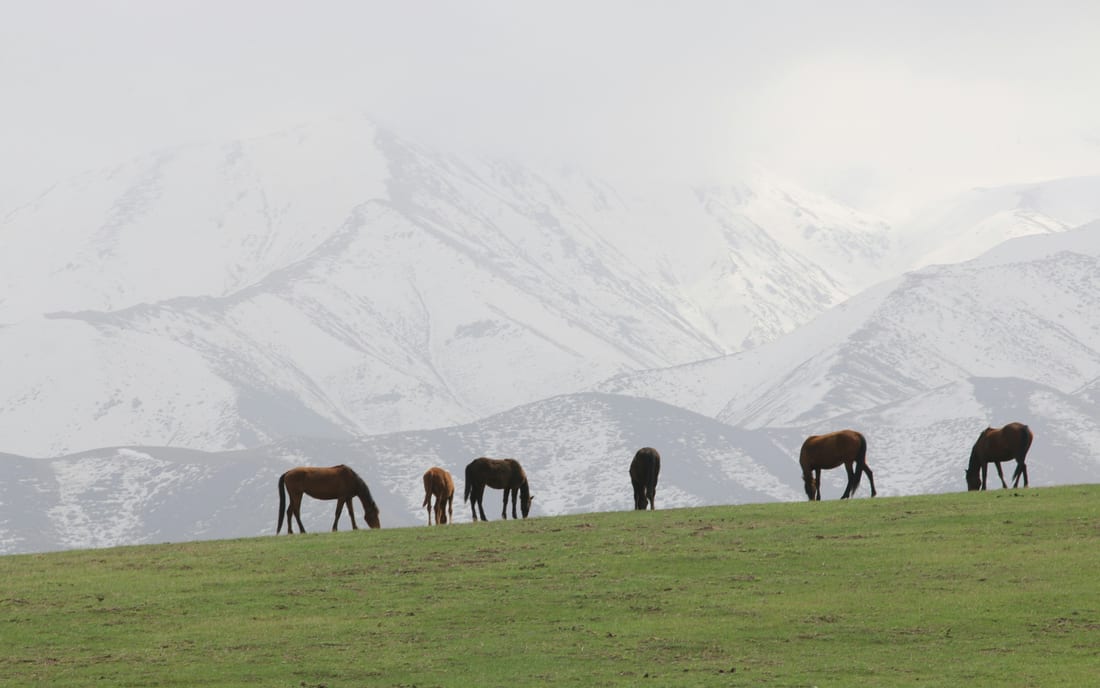
The shoulder seasons are underrated. High passes may still be snowy, but the lower valleys, Issyk-Kul shore and cultural sights are beautiful and far quieter.
Early September is many guides' favourite, summer access, warm lakes, golden colours and fewer people.
Winter (November-March): snow & silence
Winter is for a different kind of traveller. Trekking passes close, but you can ski quiet powder and ride horses to a frozen Song-Kul.
Our Kyrgyzstan in winter guide has the Karakol ski prices, the hot springs, the eagle hunters and a 7-day winter route.
- Best for: skiing, winter yurt stays, photography
- Note: some mountain roads close
Match the season to a trip
Coming in summer? Ride to Song-Kul on horseback (3 days) while the jailoo is green. From November to April we run our only winter ride to a frozen Song-Kul (3 days). For the shoulder months, the Issyk-Kul road trip (4 days) runs from April right into November.
Travelling on your own? Our solo Kyrgyzstan itinerary runs the same summer season by marshrutka and shared taxi, in 10 or 14 days.
Inspired?
Turn this into a real trip
Build your Kyrgyzstan adventure in 5 visual steps and a local expert sends a tailored plan within 24 hours. Free, no prepayment.