Tourism can either drain a place or feed it. We've chosen the second one, on purpose, and from the start.
Who you actually stay with
When you sleep in a yurt by Song-Kul or eat a home-cooked dinner in a village, that's a real family's home and livelihood, not a chain. We work with herder families and village hosts directly.
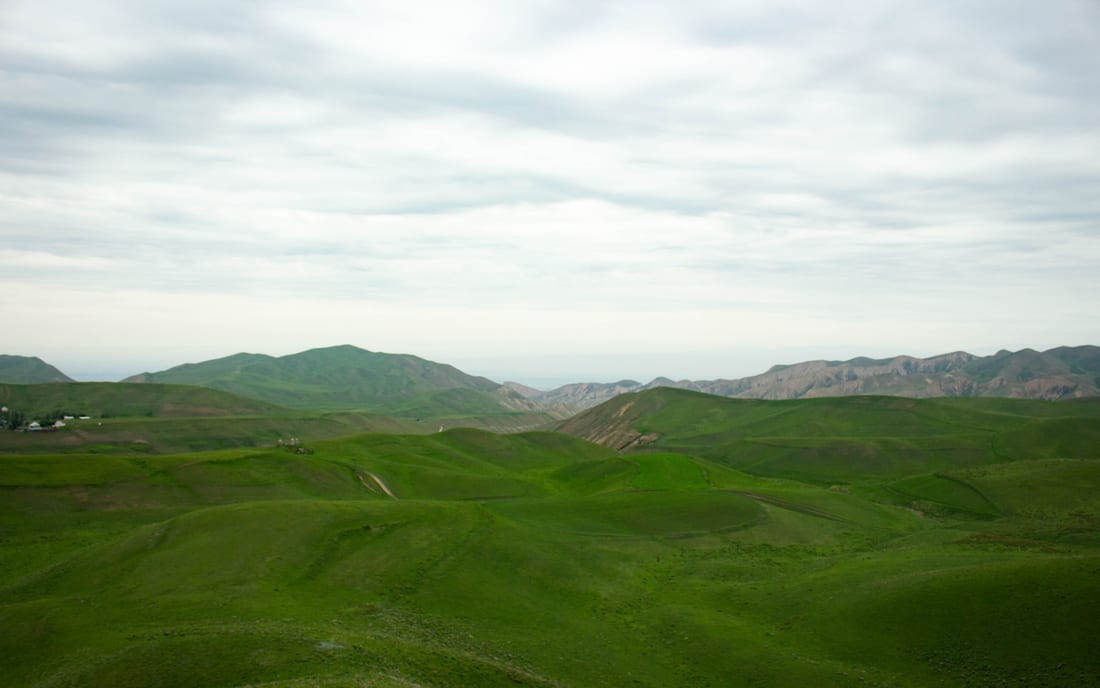
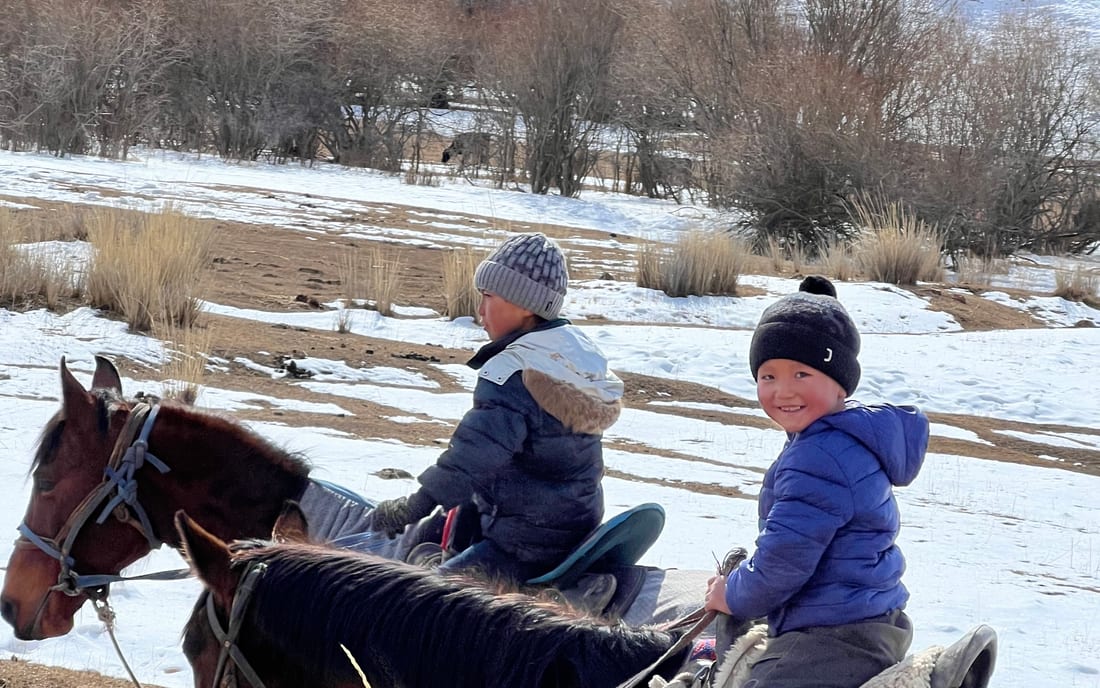
The rhythm behind it is old. Every May, families move their animals up to the jailoo, the high summer pastures, and set up camp; every September they come back down. Hosting a few travellers fits into that life without replacing it. The horses you ride are working horses, the milk in your tea came from the herd outside, and the family's year still turns around the animals, not around tourism.
What "direct" actually means
No layers. We agree terms with the families themselves, season by season, and pay them directly for every guest night and every meal. Our guides and drivers are local, hired here and paid here. We won't dress that up with invented percentages, we simply built the company so there is no chain of resellers between your payment and the people doing the work.
The other model, briefly
You have seen it elsewhere: tours sold abroad, profits landing abroad, locals cast as scenery. The mountains end up with the litter and not much else. We are not neutral about this, we live here. Azat Tours exists partly so that the money Kyrgyzstan's mountains attract actually reaches the mountains, and every booking is a small vote for that model.
Why it matters
- Your payment reaches the families and guides doing the work
- Income stays in mountain villages, helping them keep the nomadic way of life alive
- Young people get a reason to stay in the valleys instead of leaving for the city
- You get something no resort can sell: a genuine welcome
What a stay is actually like
Expect a felt-lined yurt, thick blankets, a table that fills with bread, jam, cream and tea the moment you sit down, and a silence at night you may never have heard before. Comfort is real but honest: beds are warm, the toilet is usually a short walk away, showers are a town thing. We wrote a whole guide to it, staying in a yurt, including the etiquette that makes hosts light up.
Small groups, on purpose
A yurt camp can host a handful of guests without changing what it is. A bus cannot arrive at a family camp without turning it into a stage. That is one of the quiet reasons we keep groups small: it keeps the exchange human on both sides, and it is why the welcome you get is real rather than rehearsed.
A small gift, sweets for the kids, or tea, and a little curiosity go a long way. Hospitality here is an honour, not a transaction.
How to leave a place better
- Carry your litter down, everything you pack in comes back out
- Ask before photographing people, a smile and a gesture is enough
- Buy local where you can: felt crafts, honey, kurut (the salty dried-yoghurt balls you will be offered on every jailoo, accept at least one, they grow on you)
- Learn three words of Kyrgyz, "rakhmat" (thank you) opens more doors than you would think
- Respect the water: streams here are drinking water for people and herds
When to come
The full jailoo experience runs May to September, while families are up on the pastures; July and August are the liveliest. September is quieter and golden, and the last camps at Song-Kul fold in early October. The season-by-season picture is in when to visit.
"A guest brings happiness," goes the Kyrgyz saying. Travel here in a way that leaves the place better, and you'll feel the difference both ways.
Trips built around local homes
The authentic road trip (8 days) sleeps in family guesthouses and nomad camps most tours never reach, the untouched mountains ride (6 days) stays with herders the whole way, and the short Song-Kul on horseback (3 days) is the classic first taste of jailoo life.
Inspired?
Turn this into a real trip
Build your Kyrgyzstan adventure in 5 visual steps and a local expert sends a tailored plan within 24 hours. Free, no prepayment.